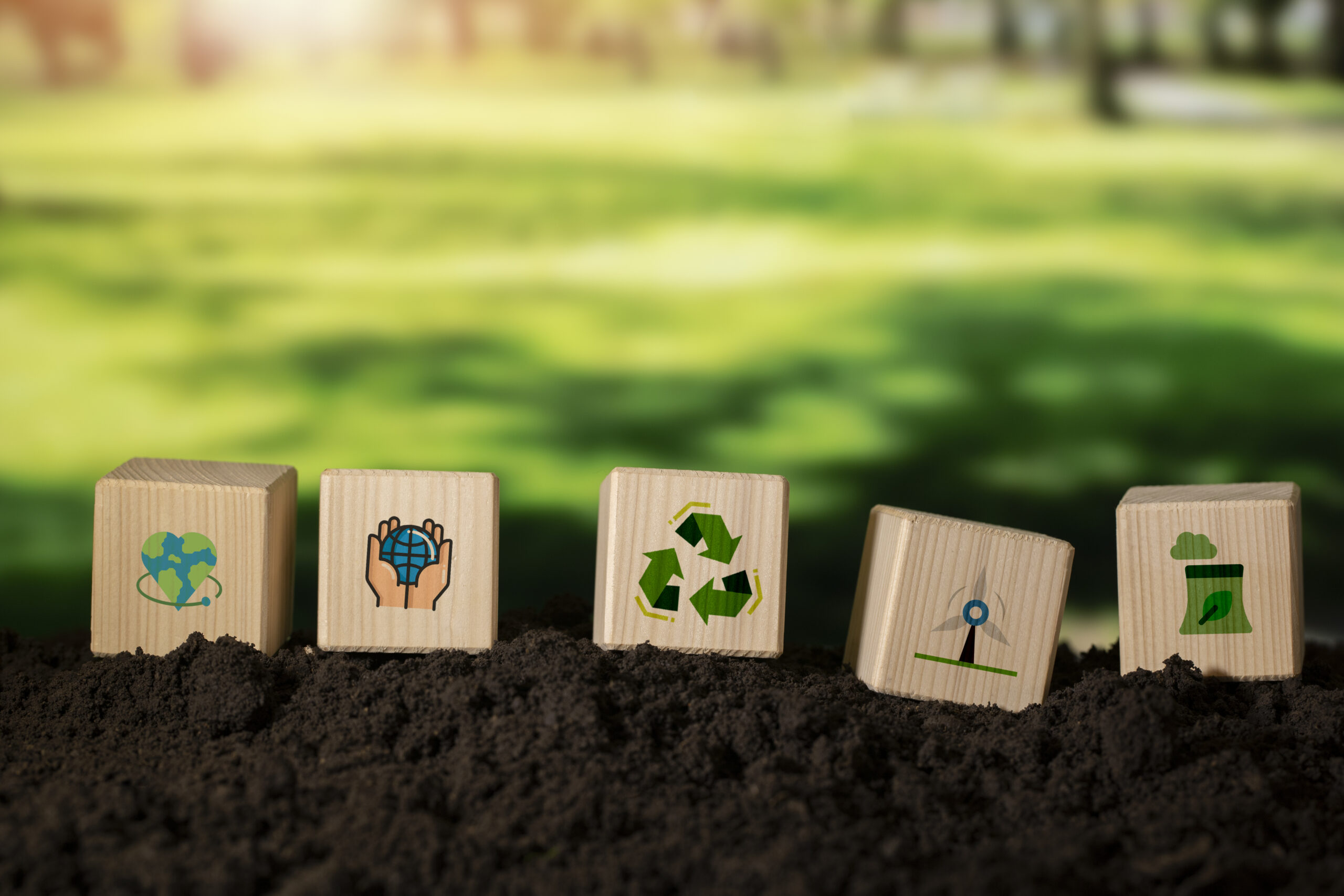


Energy transition in companies: why it often stalls and how to move forward
When it comes to energy transition, many companies react in the same way: initial interest, followed by a long period of inactivity. Not due to a lack of attention to the topic, but because of a widespread sense of complexity.
Perhaps it is due to too many technologies or too many possible future scenarios, and certainly because of too much uncertainty. The result is that, while waiting for the “perfect solution,” often nothing gets done.
The false myth of the big leap
One of the most common mistakes is thinking of energy transition as a radical, immediate, and costly change, involving new plants and infrastructure and investments that are difficult to justify in the short term.
In reality, in most cases, the path is made of gradual steps. And the first step almost never concerns energy production, but rather how energy is used.
Improving efficiency means working with existing systems, optimizing loads, enhancing plant control, and simultaneously raising awareness of energy consumption.
Technology already available, immediate benefits
Many assume that energy transition requires experimental and therefore uncertain solutions, but this is not the case. Nowadays, the technologies often used are mature and well-established on the market:
- intelligent control systems;
- sensors and automation;
- centralized management platforms;
- integration between different plants.
These tools allow companies to achieve concrete results with certainty, without needing to stop production or disrupt organizational processes.
A question of method, not ideology
Sustainability for a company should not just be a slogan, but an operational choice that must work economically and technically. For this reason, the most effective paths are those tailored to the company, starting from real data and actual objectives.
Energy transition is a process to be managed over time, with consistency and a future-oriented perspective. Often the best way to start is by improving what already exists before adding something new.
 Sustainability

 Read the article