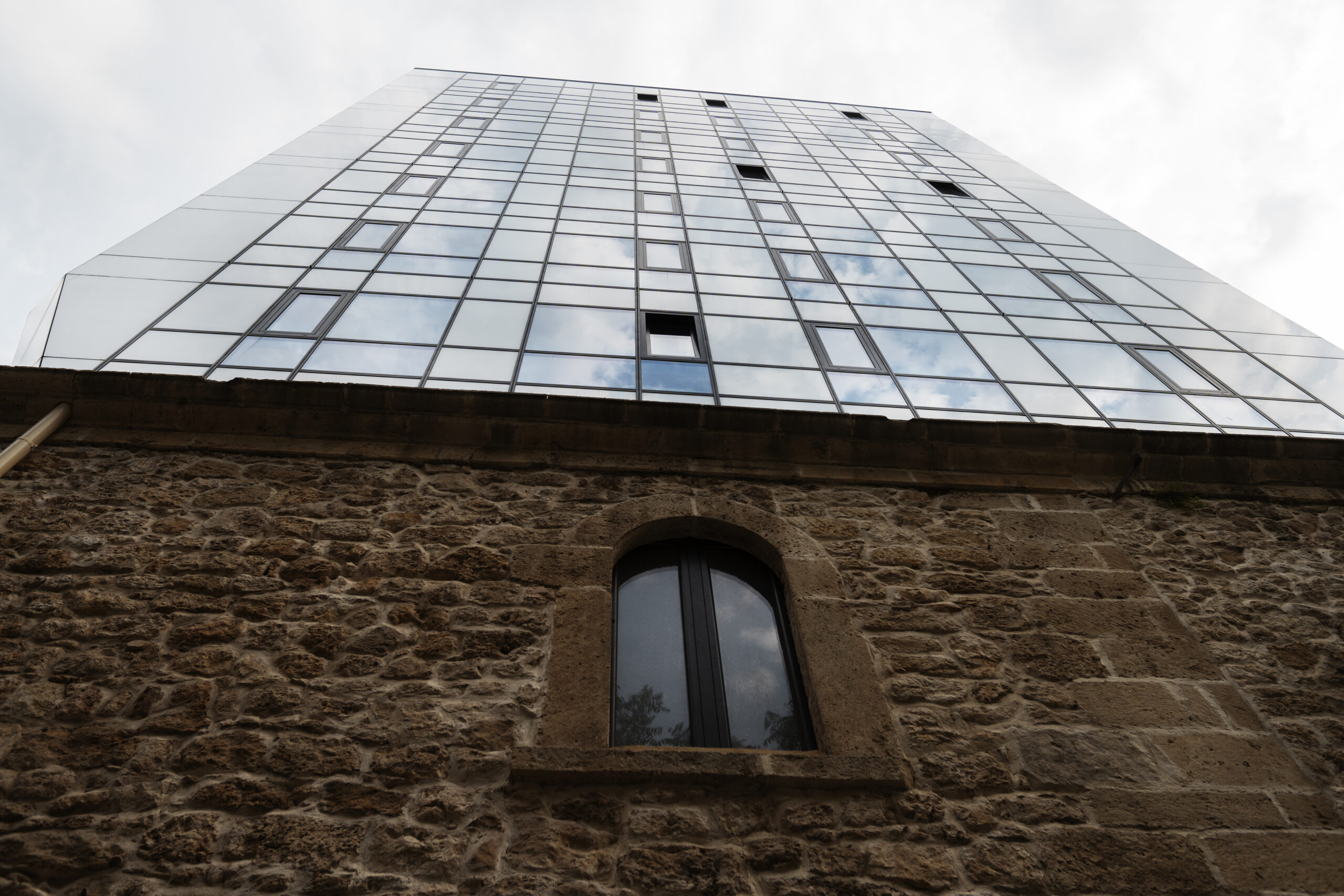


The system is not obsolete. It has become invisible
When discussing renovation or upgrading projects, people often assume that the system is outdated and therefore needs to be replaced. In reality, in most cases, the situation is different.
Many systems — whether located in industrial facilities, office buildings or public spaces — continue to operate without creating obvious problems. And precisely for this reason, they stop being observed and gradually become invisible.
Invisible does not mean irrelevant
An invisible system is one that never enters the decision-making process, not because it is unimportant, but because it does not generate information: it is not monitored, analysed or discussed.
It exists, but it is simply not managed.
The hidden cost of invisibility
The main issue with invisibility is that it does not create urgency. There are no alarms, no interruptions and no obvious warning signs.
Over time, however, tangible issues accumulate:
- Non-optimized energy consumption;
- Uncontrolled performance;
- Inefficiencies that become normalized;
- Difficulty understanding where intervention is needed.
What is not measured cannot evolve
If a system does not generate data, it never becomes part of decision-making processes. And if it is excluded from those processes, it is never improved in a structured way, remaining unchanged even while everything else evolves.
The first step toward real improvement is understanding how a system is used, when it consumes energy and how it behaves over time. Only then is it possible to make truly effective decisions, both in industrial settings and in buildings or public infrastructures.



 Read the article