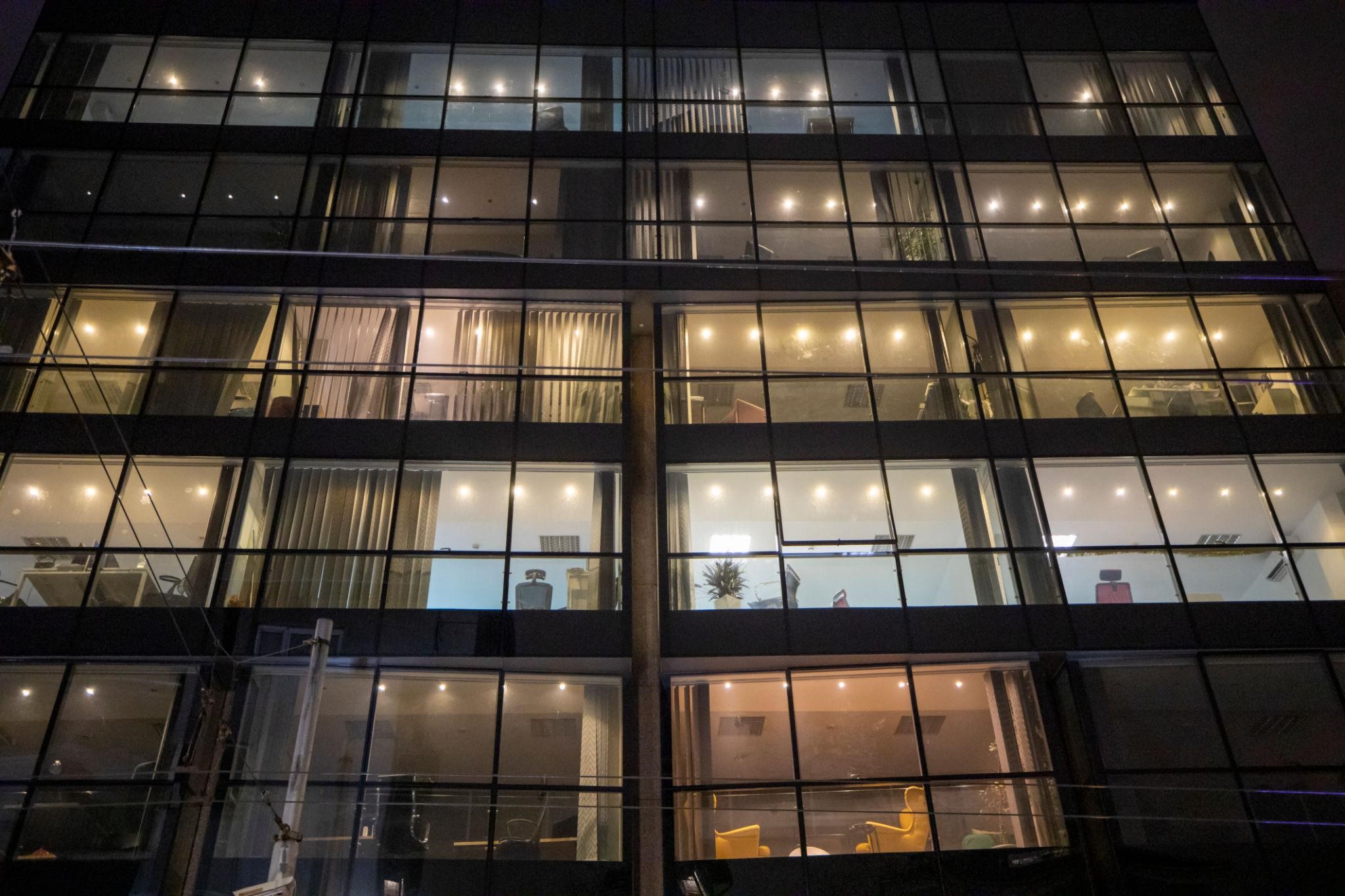


Who manages lighting in a company? Often nobody.
Lighting sits in an intermediate zone between different functions. Maintenance intervenes when something breaks, Facility monitors consumption, procurement manages suppliers, while production simply deals with the final result.
Each function touches part of the system, but rarely does anyone have a complete overview.
What happens when ownership is missing
When there is no clear owner, decisions tend to become fragmented and reactive. Action is taken to solve problems, not to improve performance.
This leads to a management style that works for emergencies, but not for evolution.
Over time, inefficiencies accumulate that no one truly addresses, simply because they do not fall under the responsibility of any single function.
The biggest risk: stagnation
The most visible consequence is inertia.
Even when concrete opportunities arise (energy savings, improved working conditions, ready-to-go projects), there is no one who takes full responsibility for driving them forward.
What changes when there is a clear owner
A new department or complex structure is not necessarily required. What is needed is a clear responsibility.
When someone coordinates the topic across functions:
• Information comes together into a single picture
• Decisions become faster
• Projects reach execution
As long as lighting responsibility remains distributed, it will continue to be managed only when it becomes a problem.
And at that point, it is always too late.


 Read the article