
Buildings have a chronological age and a technological age
A building’s age is not measured only by its year of construction. Its ability to evolve, adapt and respond to the needs of the people who use it is becoming increasingly important.
When we talk about a building, we are used to associating its age with its state of preservation, its value and the performance it can deliver. Today, however, this criterion alone is no longer enough.
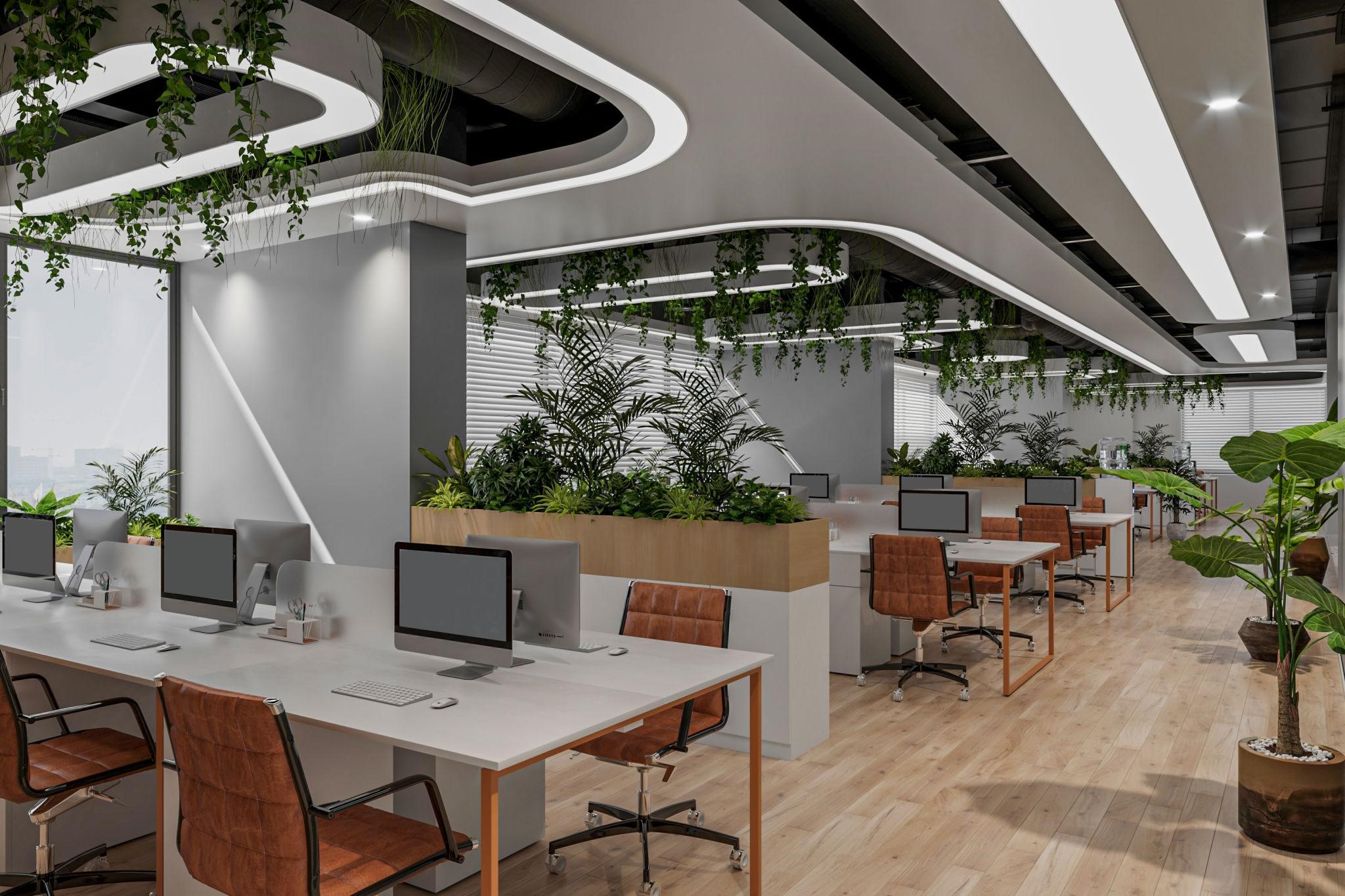
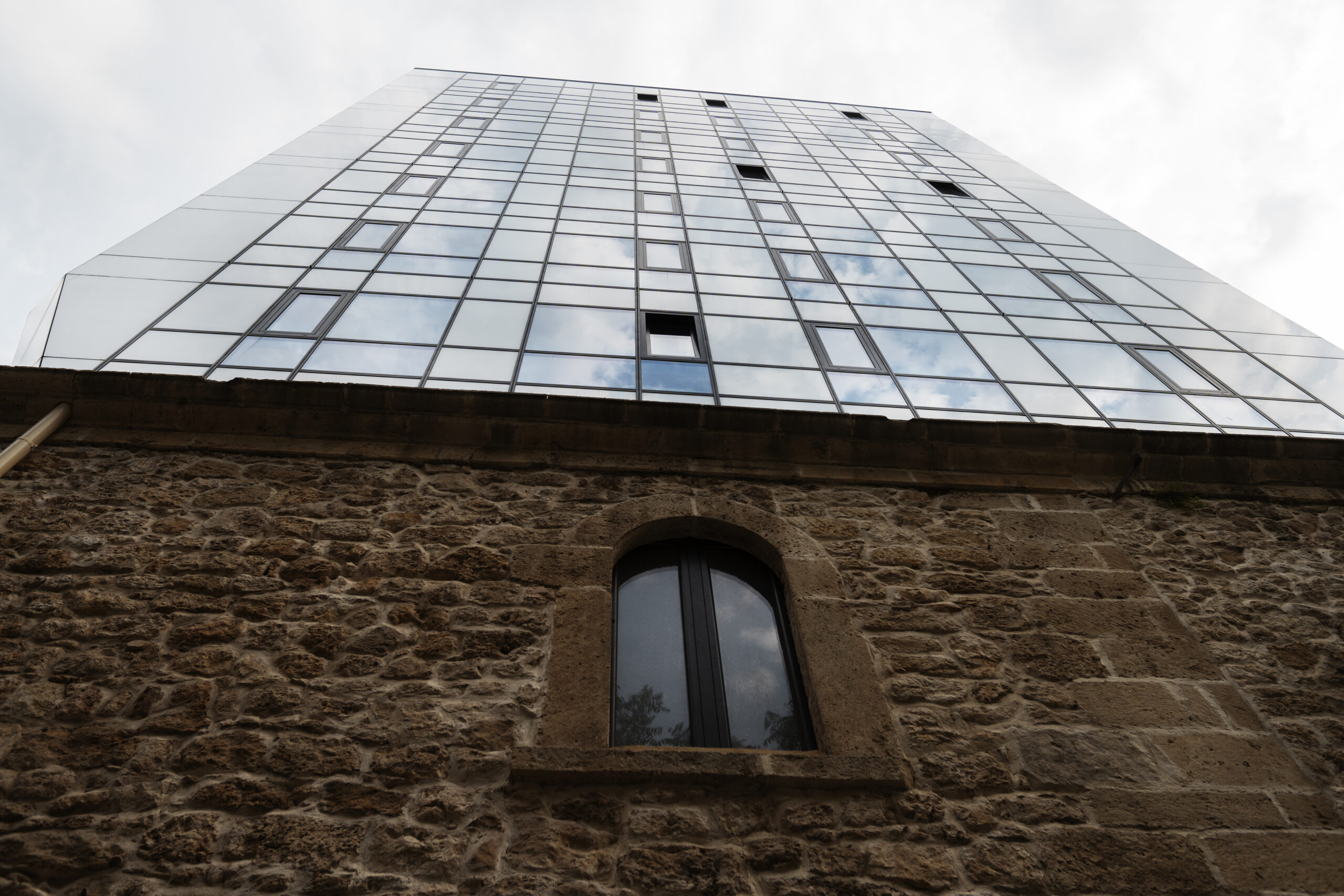
Two buildings constructed in the same year can have completely different characteristics. One may have been upgraded over time, with advanced systems, monitoring solutions and technologies capable of adapting to new needs. The other, on the other hand, may still operate according to the same principles with which it was designed decades ago.
From a chronological perspective, they are the same age. From a technological perspective, however, they belong to two different eras.
In recent years, working methods, space usage patterns, production requirements, sustainability goals and even the way buildings are managed have all changed. Faced with these changes, a building designed to be flexible can adapt relatively easily. One built according to a rigid logic, on the other hand, risks becoming obsolete quickly, even if it was constructed only a few years ago.
For this reason, today, a building’s technological age often matters more than its chronological age.
For years, the value of a property was primarily linked to the quality of its structure and installed systems. Today, the ability to be updated is becoming increasingly important, just as it is with many of the tools we use every day.
Think of a smartphone: it remains current not because it was purchased recently, but because it continues to receive updates, new features and improvements over time. In the same way, a building should also be designed to evolve, without having to be completely redesigned every time needs change.
This ability is relevant across all contexts: from manufacturing facilities to commercial buildings, from public facilities to large real estate portfolios. Because needs will continue to change across every sector. New technologies, new regulations, new organisational models and new expectations from the people who use these spaces every day will continue to emerge.



 Read the article