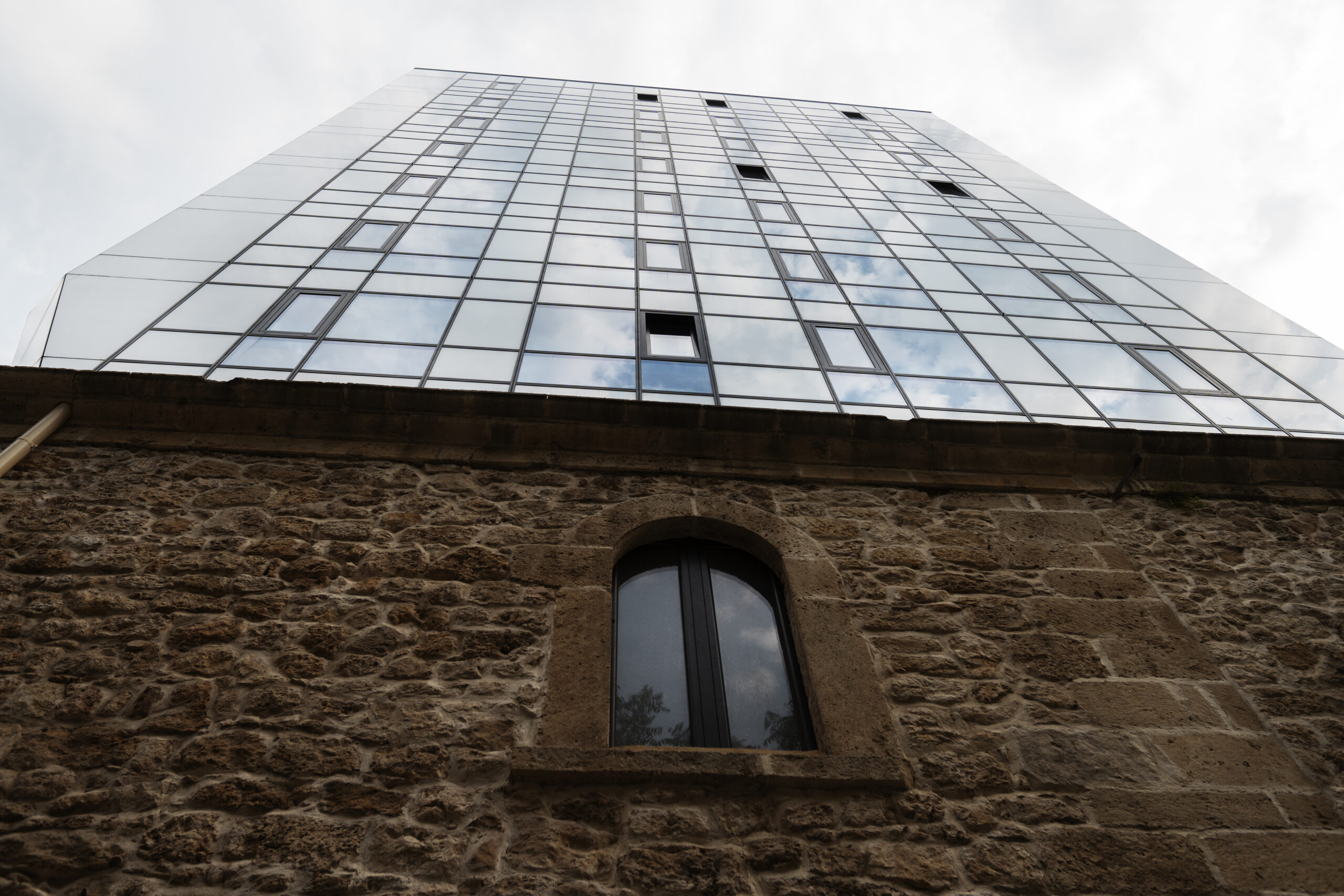

The best infrastructure is the one nobody notices
When a customer enters a store, they should not notice the air conditioning system. When an employee arrives at the office, they should not have to think about the lighting. When a citizen walks through a public square, they should not be concerned about safety or the usability of the space.
For years, buildings, facilities, and services have been evaluated primarily on the basis of technical parameters such as energy consumption, performance, and reliability. Today, however, a new metric is emerging: the quality of the user experience.
A well-designed environment reduces distractions. A well-organized city makes mobility easier. An efficient building creates optimal conditions without requiring constant intervention or adaptation from its users.
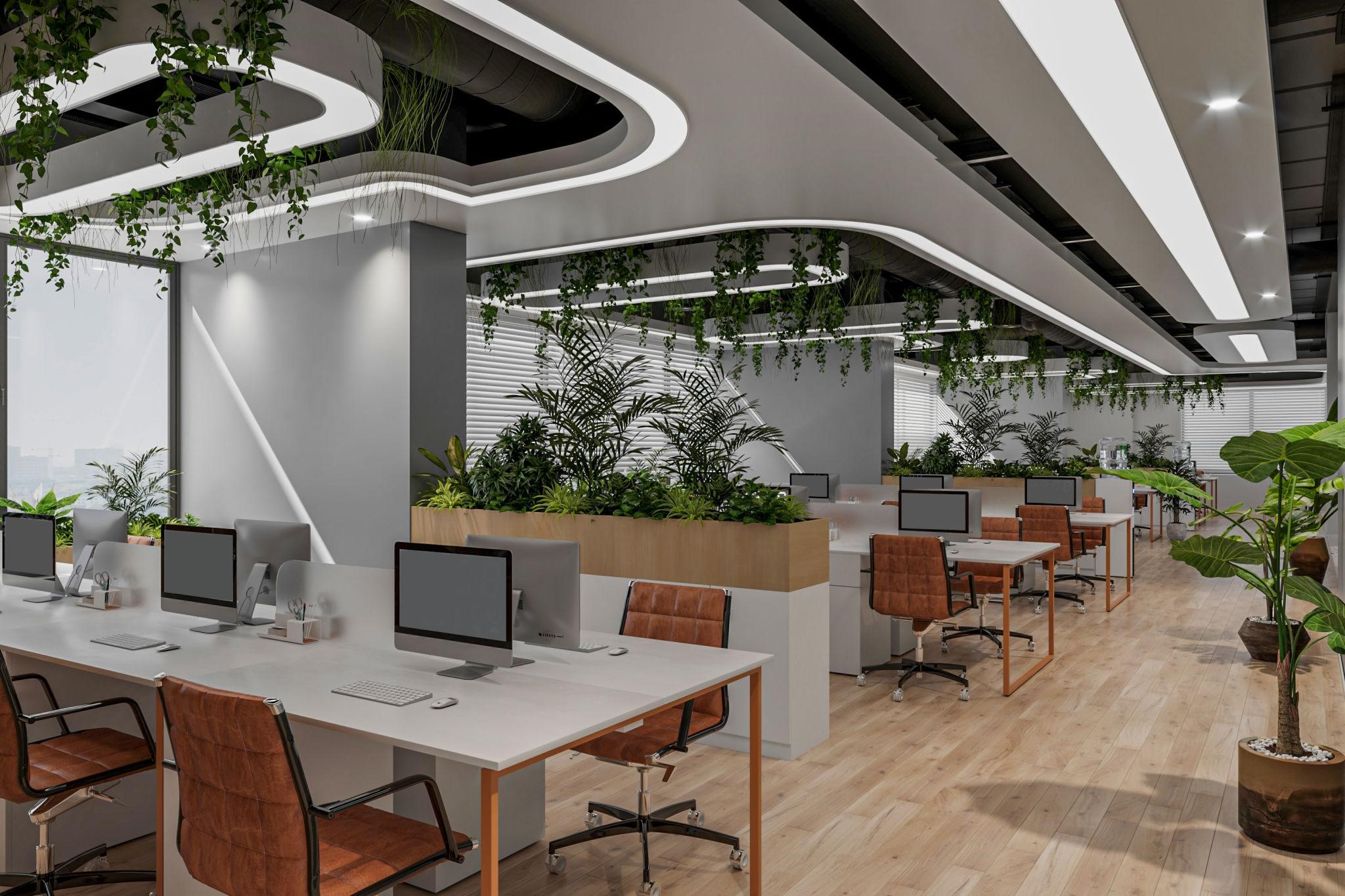
In offices, commercial spaces, schools, and public areas, the quality of the environment directly influences people's behavior. More comfortable environments improve concentration, enhance the user experience, and help create safer and more welcoming spaces.
Numerous studies have shown that factors such as air quality, temperature control, acoustics, and lighting can significantly affect productivity, the amount of time people spend in a space, and their overall perception of the environment.
Cities are increasingly adopting this approach as well. Public spaces are no longer designed solely to be functional, but also to improve the daily experience of those who use them.
The same principle applies to retail environments. A well-designed store does more than simply display products; it creates an atmosphere that encourages customers to stay longer and enhances the quality of their experience.
The infrastructure of the future will not only be more efficient. It will also be more attentive to the needs of the people who interact with it every day.


 Read the article