
Cities Are Preparing for Heatwaves. Are We Ready to Rethink Public Spaces?
For decades, public spaces have been designed around a predictable daily routine: people moving between home, work and essential services, mainly during daylight hours. However, the increasingly intense summers of recent years are gradually changing these habits.
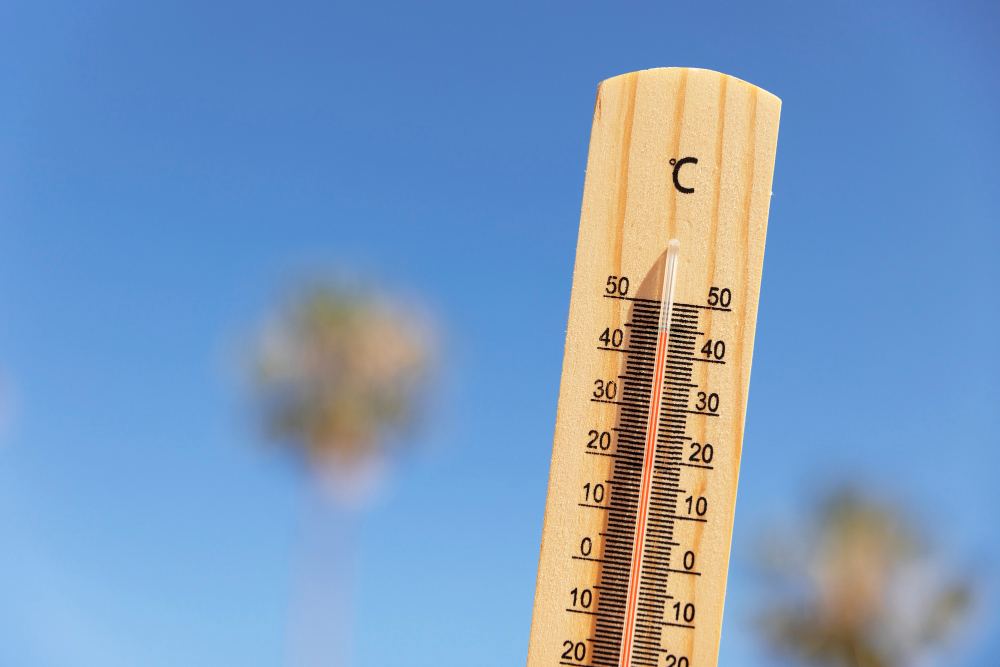
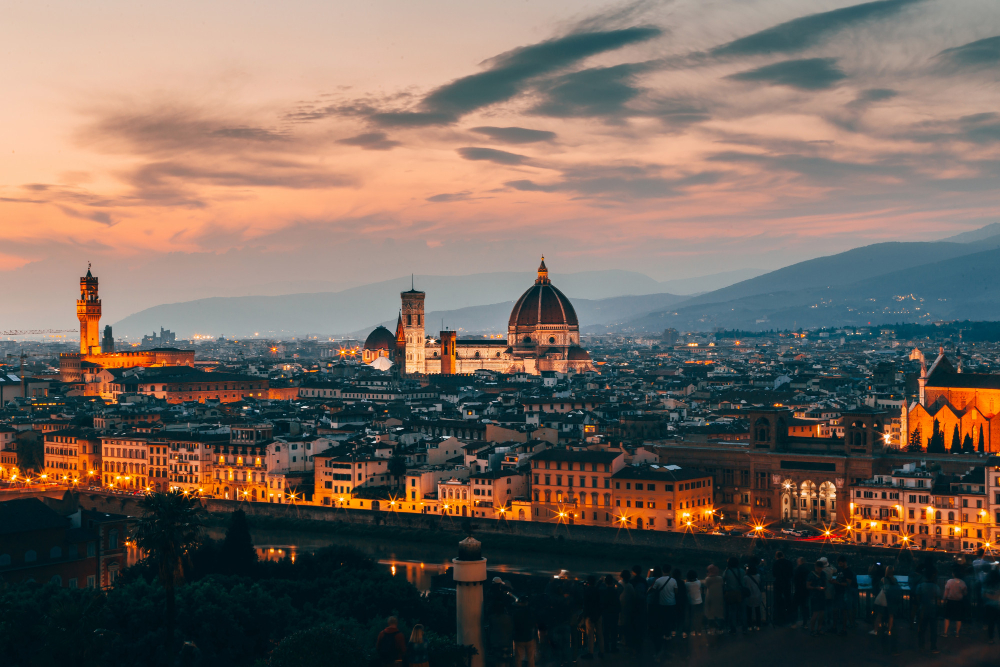
As temperatures become harder to bear, cities empty during the day and come alive after sunset. Squares, parks, cycling and pedestrian routes, and commercial areas are increasingly used in the evening, at a time when urban life once began to slow down.
This is a quiet transformation, yet one with far-reaching implications. If the way people use public spaces changes, the infrastructure supporting them must evolve as well.
It is no longer enough to simply build new public spaces; we also need to rethink how they are managed. Lighting that responds to people's presence, continuous monitoring of the busiest areas and systems capable of adapting to actual environmental conditions are becoming essential elements of modern urban management.
The cities of tomorrow will not simply be more technological—they will be more adaptable. What will truly make the difference is not the number of sensors installed, but the ability to interpret what is happening and respond accordingly. Climate change is forcing us to rethink the relationship between people, infrastructure and urban space.


 Read the article